Hey! I’m Leah Dittman (she/her), a Licensed Mental Health Clinician and integrative psychotherapist.
My work is grounded in a psychodynamic and existential framework, with an emphasis on understanding long-standing patterns, emotional experiences, and the meaning clients make of their lives. I view the therapeutic relationship as a central vehicle for insight and change.
I value curiosity, depth, and authenticity in the therapeutic process and approach each client with respect for their unique history and lived experiences. I aim to provide individualized therapy tailored to your values and needs, and also incorporate different theories and philosophies to help make sense of your story. You can expect therapy with me to be an engaging atmosphere, and you can also expect to take up as much space as you would like to.
My primary areas of expertise are:
- relationship dynamics or relational trauma
- life transitions
- high achievers with high anxiety
- depression
- career and academic development
- identity development
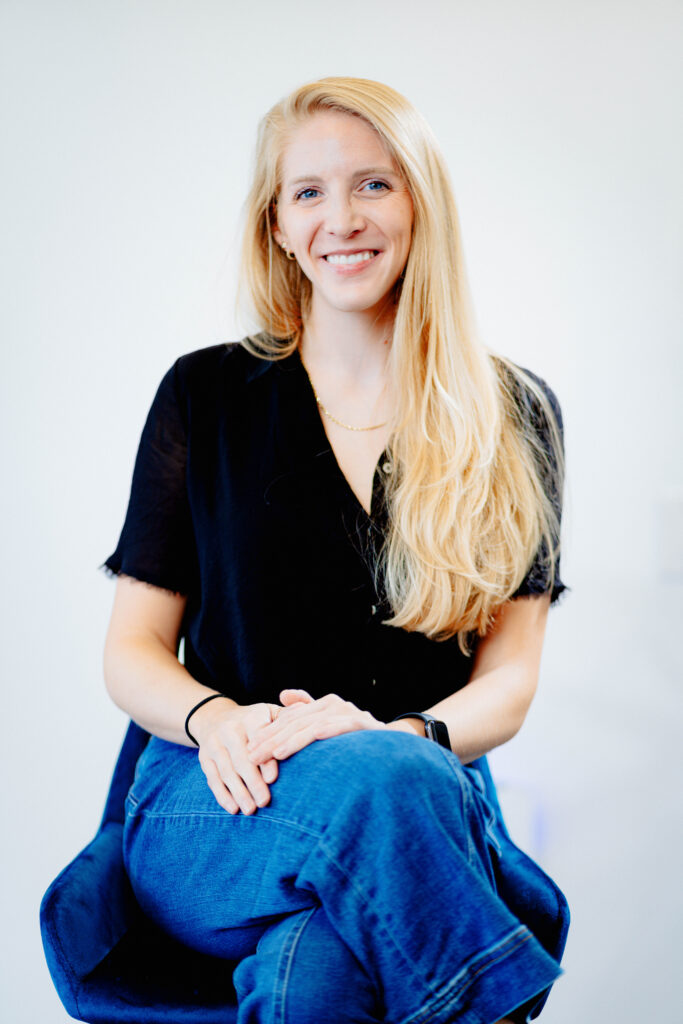
In my free time I enjoy spending time outside hiking, skiing, or exploring new places, I like to be creative by making art and playing piano, and I also enjoy spending time with family and friends. I have a flame point ragdoll cat named Theo who will often join us for our sessions.
Training:
- Introduction to Existential-Psychoanalytic Therapy
The Institute for Psychoanalytic-Existential Therapy
Presenting Paper: Coming into Relation with the Repetition Compulsion 09/2017 – 06/2018 - Martin Heidegger’s Being and Time: A Reading Class for Therapists
The Institute for Psychoanalytic-Existential Therapy
09/2018 – 06/2020 - Object Relations Theory and Self Psychology
The Institute for Psychoanalytic-Existential Therapy
03/2019 - Advanced Seminar In Existential Psychology, Theology, and Philosophy
The Institute for Psychoanalytic-Existential Therapy
09/2020 – 06/2021 - Advanced Seminar in Object Relations Theory and the Shadow: Donald Winnicott and Christopher Bolas
The Institute for Psychoanalytic-Existential Therapy
09/2021 – 06/2022 - Advanced Seminar in the Repetition Compulsion: An Existential and Psychoanalytic Grounding
The Institute for Psychoanalytic-Existential Therapy
09/2022 – 06/2023 - Advanced Seminar in Psychoanalysis and Philosophy: A reading of the Intersection of Phenomenology and Clinical Practice
The Institute for Psychoanalytic-Existential Therapy
09/2023 – 06/2024 - Advanced Seminar in Object Relations and Psychoanalytic Theory and Relationality: From Attachment to Intersubjectivity
The Institute for Psychoanalytic-Existential Therapy
09/2024 – 06/2025 - Advanced Seminar in a Revisitation of Freud and Understanding Therapeutic Action
The Institute for Psychoanalytic-Existential Therapy
09/2025 – 06/2026 - Fundamentals of Emotionally Focused Therapy
International Center for Excellence in Emotionally Focused Therapy
02/2026
Education:
- Master of Arts in Clinical Mental Health Counseling, Lesley University Graduate School of Arts and Social Sciences
- Bachelor of Science in Expressive Art Therapy, Lesley University
Minor: Fine Art, The Art Institute of Boston
Licensure:
- Massachusetts – Licensed Mental Health Counselor – 12103